Training • 8 September 2026
The start of a trail race: how to avoid getting swept along in the first kilometres
The start is full of distractions: music, crowds, your watch and the fear of losing time. Making a few decisions in advance helps you avoid being swept up in the chaos. Your goal is to get onto the course at an effort you can actually sustain afterwards.
Spot the first difficulty
Look at the start of the elevation profile: an immediate climb, fast road, or narrow singletrack? This information helps you understand what may happen within the group. An easy opening section can tempt you into running too fast; a narrow passage can slow the whole field down.
Anticipate, but don't try to control everything. You don't need to gain every place before the first trail. For a first race, accept losing a little time to find a rhythm and a comfortable space.
Position yourself sensibly
Respect any start waves and the organisers' instructions. Choose a position that fits your goal and your experience. Starting right at the front to avoid bottlenecks can expose you to a pace you hadn't planned on.
Keep the items you need within reach before entering the start area. Check your shoelaces, pack and watch early enough that you don't have to adjust everything after the gun.
Watch your effort, not the runners around you
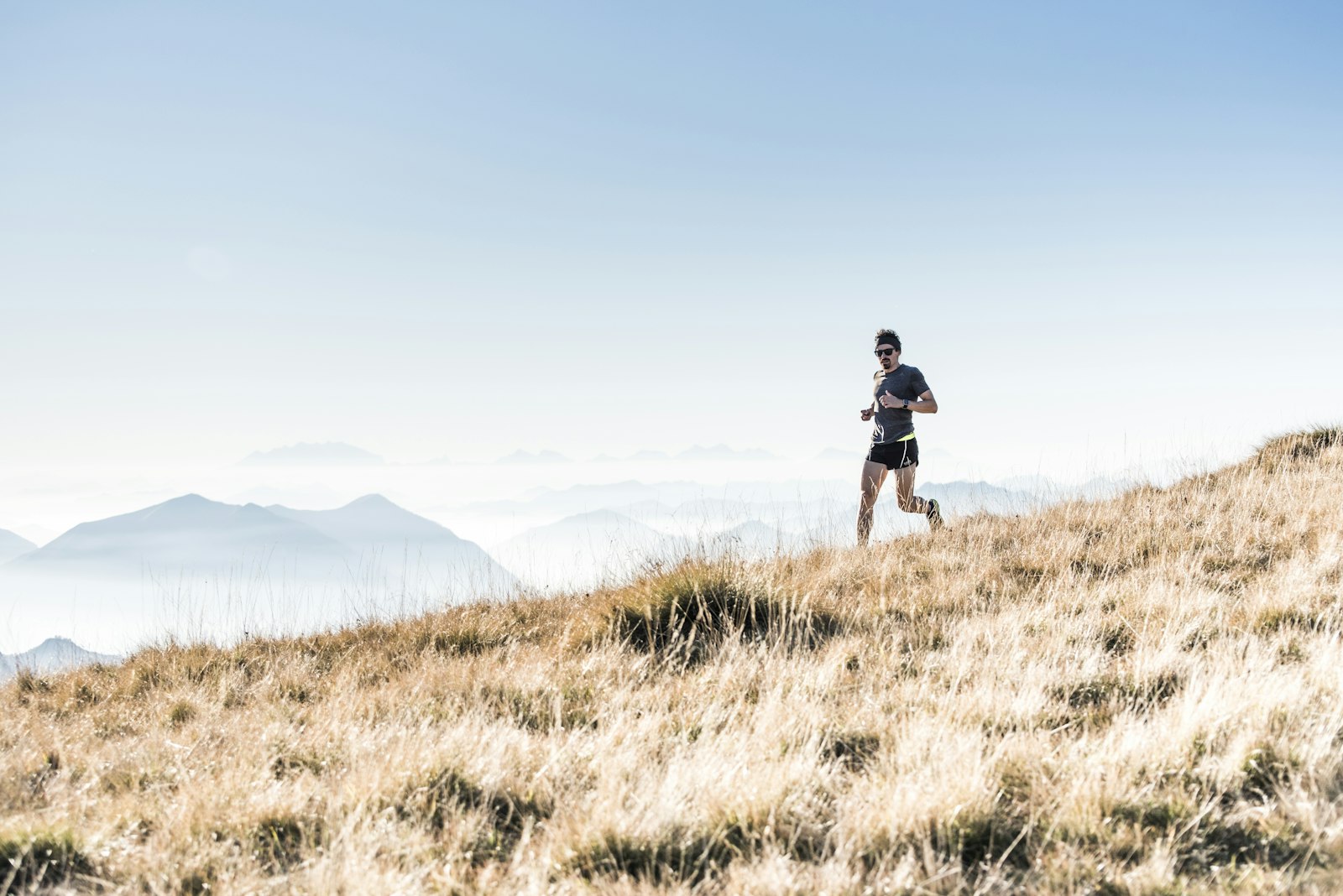
On the first climbs, adjust your pace to the gradient straight away. Walking can be the smart choice even if others keep running. On the descents, hold a speed that lets you choose your footing and anticipate other runners.
If you find yourself in a group that's too fast, leave some space. If the group is moving slowly, wait for a spot where you can pass cleanly. A risky move early on can cost far more than a few seconds of waiting.
Plan a first personal checkpoint
At an easy point on the course, run a quick check: breathing, how the pack feels, shoes and overall pace. Fix any discomfort early, while a safe stop is possible. It's easier to put a soft flask back or adjust a strap before it becomes an obsession.
After the race, note whether your start matched the plan and what you would change. These observations will help for your next bib. To build your preparation beforehand, see our guides to short trail and 50 km trail.
Keep reading
Find the other articles in this section and the site's guides.