Training • 3 August 2026
Trail Running Downhill: Building Confidence Without Chasing Speed
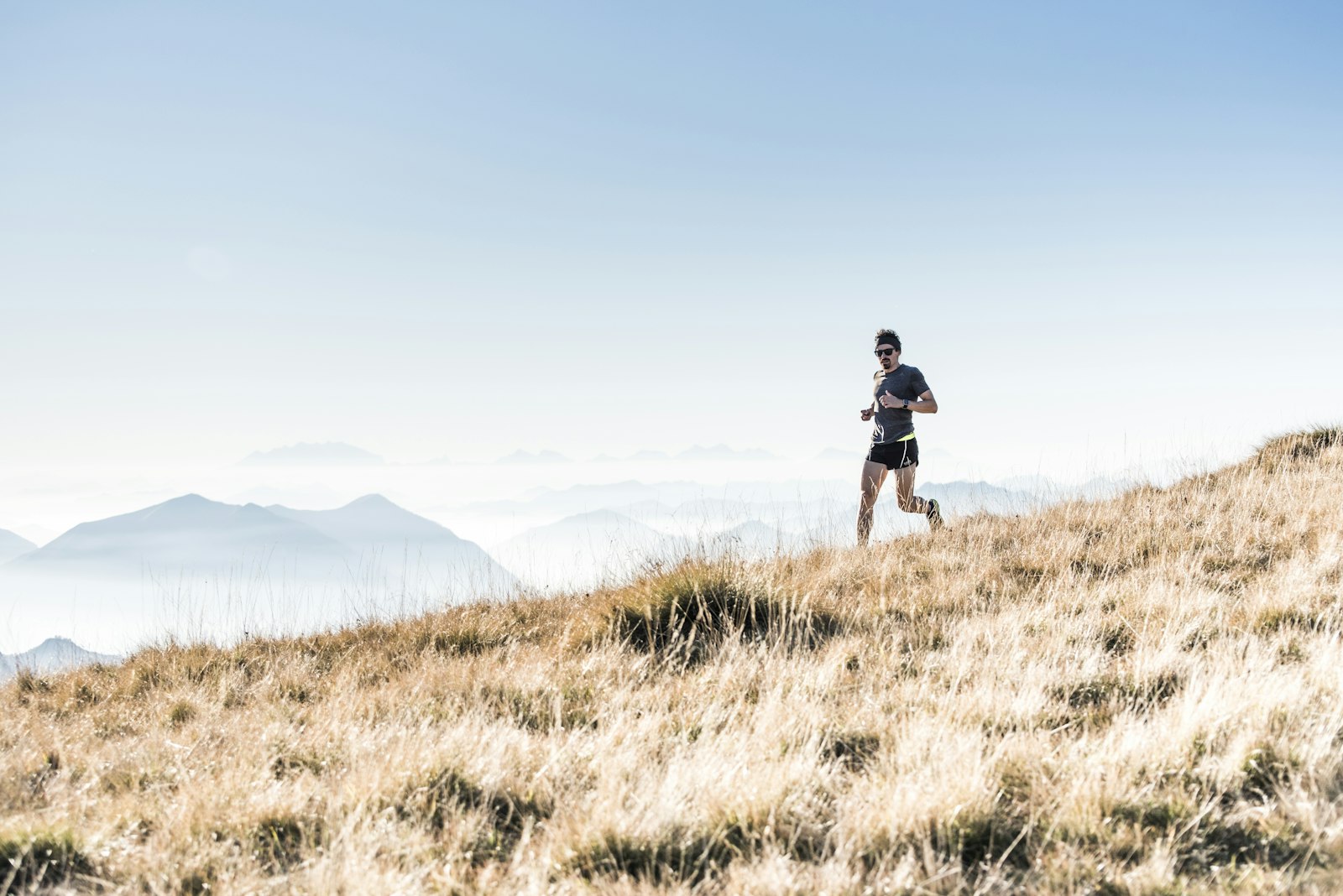
Confidence on descents is built on terrain you can read and at a speed you can control. Trying to keep up with a faster runner can push you beyond that margin. Start by noticing what makes you hesitate: the gradient, your footing, visibility or fatigue.
Choose an Easy Descent to Learn On
Pick a short stretch you know, one that is open and not too steep. Run it gently at first to spot the irregularities. Avoid exposed, slippery or busy sections when your goal is to work on technique.
The Conseilsport guide to downhill running recommends getting to know descents gradually on easy slopes. Your speed may well increase as you feel more at ease, but it isn't the first measure of success.
Read a Sequence of Footholds
Try to read a few metres ahead while staying aware of the ground right around you. Looking only at your shoes leaves little time to anticipate. Conversely, looking far ahead without tracking the nearby obstacles doesn't help you choose your footing.
Adapt your pace to what you can actually see. Before a blind corner or a change of surface, slow down. Walk when a section goes beyond what you can control: that choice is part of a well-managed descent.
Repeat Without Piling on Fatigue
On a short stretch, aim for a smooth, controlled line. Jog back easily, then decide whether another repeat is still worthwhile. If your precision drops, the technical session has already given what it could for the day.
Descents can leave your legs tired even if your breathing feels easy. Factor that into the rest of your week. Avoid discovering a large volume of downhill running just before a race or after a spell without hilly terrain.
Measure Progress Differently
Afterwards, ask yourself three questions: Did I anticipate more? Did I hesitate less on the section I know? Did I stay able to slow down at any moment? These markers are more useful than a segment record set by taking risks.
Then increase just one difficulty: a little more length or slightly different terrain, depending on how comfortable you feel. Find other useful sessions in our short trail guide and prepare for the demands of a prolonged effort with the 50 km guide.
Keep Reading
Explore the other articles in this section and the site's guides.