Nutrition • 13 juillet 2026
Gels, bars or fruit purées: choosing a fuelling format
The best fuelling format is the one you can carry, open and consume in the conditions of your run. Gels, bars and fruit purées aren't interchangeable: their portions and compositions vary. Start by comparing how you'll actually use them before comparing what they promise.
Look at the portion you actually carry
Two packets of the same size can provide different amounts of carbs. Read the value per serving and the weight of the product, then check the manufacturer's usage instructions. A per-100 g figure doesn't necessarily match what's in the packet.
Also look out for ingredients you need to be careful with, allergens and any caffeine. A product that works for another runner isn't automatically suited to your habits or your situation.
Match the format to the moment in your run
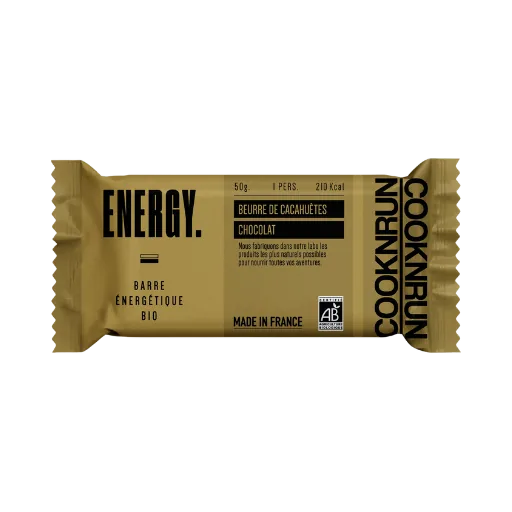
A bar requires chewing. It can be handy when you've stopped or on an easy section, but less comfortable when your breathing is laboured. A fruit purée offers a different texture, with packaging that is sometimes bulkier for a comparable amount of carbs. A gel is easy to stash, but how it opens and how it tastes are worth testing.
These differences don't amount to a ranking. Try the formats on familiar terrain and in a situation where you can slow down or stop. Follow the guidance on water intake: it isn't the same for every product.
Test one variable at a time
Pick a familiar run and note the product, the portion, when you take it and how you feel. Avoid changing your drink, your gel and your breakfast all at once: you won't know what explains a good or a bad experience.
Repeat the tests in a range of conditions before settling on a race strategy. If a product is hard to swallow, to open or to keep in a pocket, that practical problem is reason enough to look for another option.
Build a simple selection
When packing your vest, stick to a few products you've already tried rather than a whole collection of new releases. Set aside a spot for wrappers and make sure the remaining portions are easy to count.
How much to take depends on duration and your needs; this comparison is about formats. To estimate it, use the carbs-per-hour calculator, then spread it across your aid stations with the nutrition planner. Find the product families in our trail nutrition guide and test how you get on with them during your training runs.
Keep reading
Find the other articles in this section and the site's guides.
Three servings don't mean three identical amounts of fuel
The documented versions provide 25 g of carbs for a 40 g Maurten Gel 100, 24 g for a 40 g Mulebar Mangue Cajou bar and 15 g for a 90 g Baouw Banane Kiwi Vanille purée. Two purées therefore provide 30 g of carbs, with 180 g of product to carry. This observation describes the formats; it doesn't judge their taste or how well they're tolerated.
Sources and dates are given in the comparison pages: gels, bars and fruit purées.